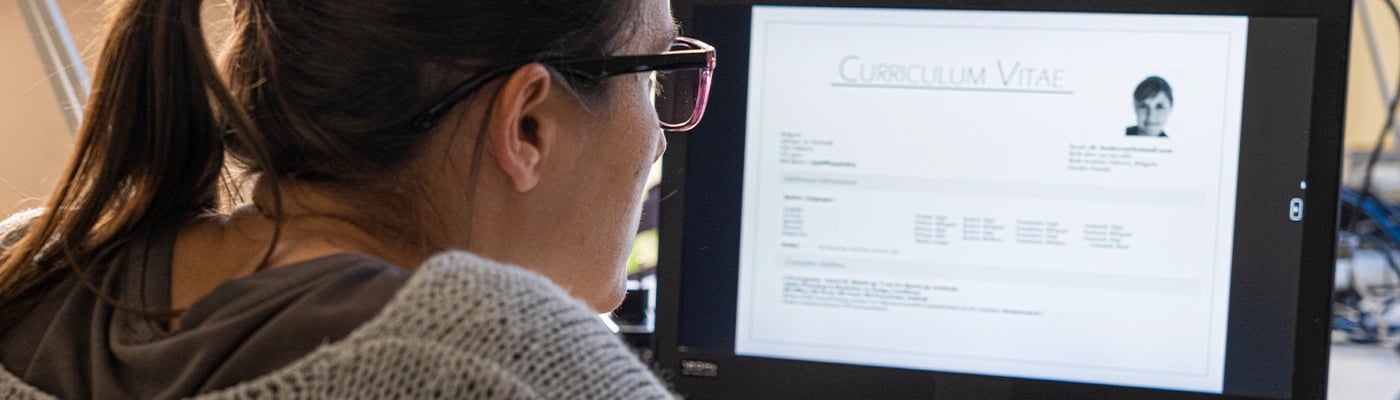
AI is changing how recruitment gets done, but not what recruitment is. Across sectors, we’re seeing more businesses use technology to speed up the hiring process and reduce admin. That shift is real, and the benefits are clear. But for all the talk of algorithms and automation, the most important decisions still rest with people.
The big question isn’t whether AI will replace recruiters. It’s how recruiters can use it properly to improve outcomes without losing sight of what the job’s really about.
Where AI Helps
Used well, AI saves time. It can quickly scan CVs, flag key skills, and help manage large volumes of applications. Tools like ChatGPT and Copilot can also lighten the admin load by summarising interview notes, drafting adverts, and preparing job specs. This means consultants spend less time writing and more time doing the thinking that matters.
There’s also the potential to remove bias at the early stages. AI agents can be trained to focus on skills and experience, not age or background. That makes it easier to create fairer shortlists and reduce unconscious filtering.
Where Human Insight Still Counts
But AI can only go so far. You still need people to make sense of the context. You still need a human to spot the candidate with something extra, someone whose CV doesn’t tell the full story.
Recruitment is still, fundamentally, a people business. Culture fit, career motivation, and leadership potential don’t show up in a data model. And no algorithm can explain to a client why a slightly left-field hire might just be the right one.
How We Use AI at Nigel Wright Group
We use AI in hiring to support our work, not to replace our judgement.
We don’t use AI to rank candidates or make hiring decisions. Our consultants use tools like ChatGPT and Copilot for admin only, things like drafting initial job descriptions before they are tailored to each client, summarising CVs, and drafting interview notes. All AI-generated output is reviewed and decisions are always made by people, based on experience and understanding of the brief.
We’re also mindful of the EU AI Act, which is set to take effect over the next couple of years. It’s clear where responsibility lies, and so are we. We make sure all AI-generated outputs are checked by a person. We avoid introducing bias. And we’re transparent with candidates when technology is used at any stage of the process. To help protect candidate and employee personal data in an era of increased digital risk, consider reviewing comprehensive identity protection tools.
A Smarter, Not Simpler, Future
AI is here to stay. But it’s not a shortcut to better hiring. What it offers is speed and consistency, useful tools, especially in high-volume recruitment. But the real value still lies in the conversations, the insight, and the judgement that experienced recruiters bring.
The best results come when the two work together. Technology takes care of the repetitive tasks. Recruiters focus on relationships and decisions. That’s the model we believe in; one where AI makes our consultants better at their jobs, not less essential.